
24/7 emergency service across Oʻahu Call (808) 630-9966

The one part of the house nobody looks at

People replace countertops they see every day and never once think about the system taking everything away from the house, because it is buried and it is silent. You flush, it goes, and that is the entire relationship most owners have with it.

Which is why it turns up as a problem at the worst possible moment — usually during a sale, and usually as somebody else’s surprise. An inspection is how you find out what is down there while you still have a choice about it. Normally one to two business days from the call: (808) 630-9966.

Also called a septic system evaluation or a septic certification — same job, different names.

What the inspection actually involves

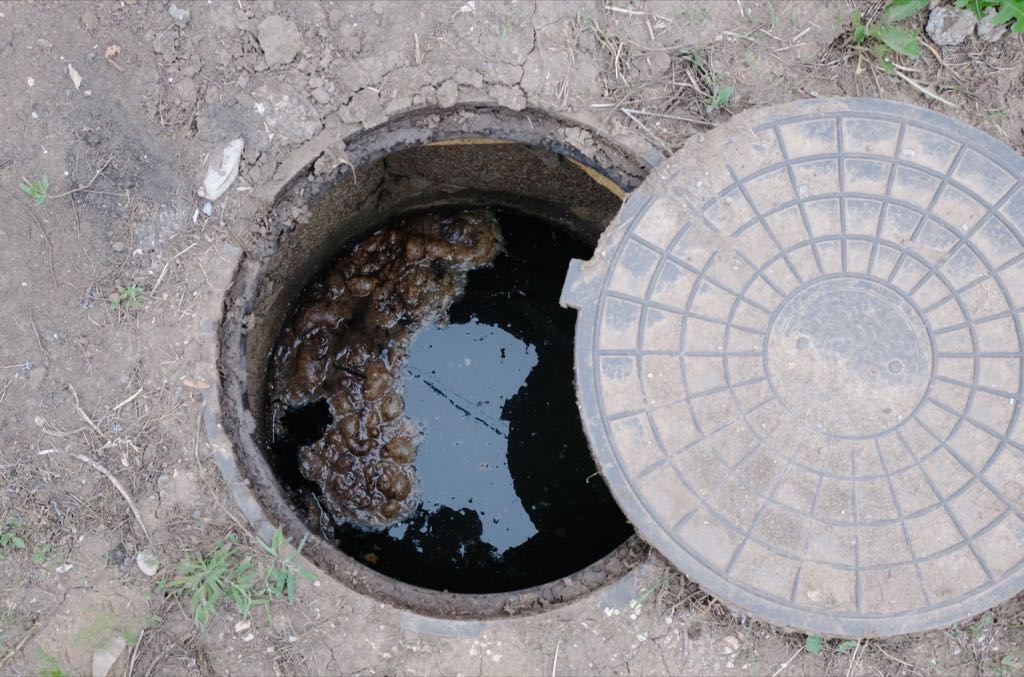
You cannot assess a system that is full. The tank or cesspool has to be emptied first, through whatever access it has, before anyone can see the condition of what is underneath.

  • We pump the system out through any available access, so the interior is visible
  • We run a camera through it once it is empty
  • We record what we find — photographs and video, not just notes
  • We produce the written evaluation, completed by a licensed contractor — Hawaiʻi CT-39138
  • We keep the record, so you can ring us about it later and we will still have it

An inspection that skips the pump-out is somebody looking at a full tank and guessing. If you are getting quotes, that is the question worth asking each of them.

What the report tells you

Six things, each of which changes what the property is worth to you.

  • Condition — what state the system is actually in
  • Water level — whether it is draining as it should or holding
  • Placement — where it sits on the property, which decides what is possible later
  • Capacity — whether it is sized for the house it serves
  • Access — whether it can be reached and serviced, or whether that is a job in itself
  • Repair or replace — the honest answer, in writing

Why buyers and lenders ask for one

Three reasons, and the second surprises people.

The first is obvious: nobody wants to discover a five-figure problem a month after moving in.

The second is that most homeowners’ policies do not cover septic failure. It is generally treated as wear and maintenance rather than sudden damage, and excluded. Every system fails eventually — how soon depends almost entirely on how it has been maintained. Check your own policy rather than taking our word for it, but plan on the basis that this one is on you.

The third is that on some loans it is not optional. An FHA loan requires the septic system to be approved by the local health department. USDA lending is stricter still. On a VA loan the appraiser looks at the system and can require a full inspection if anything concerns them. Conventional financing usually asks for nothing. So which loan your buyer is using decides whether this is prudence or a condition of closing — worth establishing early, because it sets the deadline. Confirm the requirement with the lender rather than assuming it.

Which is also the case for maintaining it: pumping every two to four years is what decides whether “eventually” means decades or a few years. See septic tank pumping.

If you are the one selling

Two things are worth doing before the listing goes up, and both work in your favor.

Have it inspected and pumped. A system with a recent evaluation and a service record is a far easier thing to disclose than one nobody has opened in a decade, and you find out about problems on your own timetable rather than during a buyer’s inspection period.

If it is a cesspool, get the conversion scoped too. Buyers negotiate against the cost, and the number they use should be a real one from a licensed contractor rather than a worst-case guess. Sellers without one routinely concede more than the job would have cost.

Buying a property with a cesspool

On Oʻahu it is frequently a cesspool rather than a septic system, and that changes the conversation.

There is no requirement to convert in order to sell. Hawaiʻi’s Act 125 sets a deadline of January 1, 2050 and that is the only one in law. The seller does have to disclose it, and in practice buyers negotiate the conversion cost into the price — which is where the money in this conversation actually sits.

A conversion typically runs $25,000 to $50,000. Our Hawaiʻi cesspool conversion guide breaks that down stage by stage, and cesspool conversion is the work itself.

After you buy, we will show you how it works

Most new owners inherit a system nobody has ever explained to them — where it is, what it can take, how often it needs emptying, what the early warning signs look like.

We will walk you through it. Where it sits, what you have got, what to watch for, and when it will next need service. It takes twenty minutes and it is the difference between maintaining a system and waiting for it to fail.

Frequently Asked Questions

Schedule Your Appointment