
24/7 emergency service across Oʻahu Call (808) 630-9966

Lift station pumping, repair and pump replacement on Oʻahu

Golden Penny Sanitation Inc. pumps, services and replaces the lift stations that sit behind condominium buildings, restaurants and commercial properties across Oʻahu, and the smaller ones on residential lots. A lift station is the pump station that collects a building’s wastewater in a wet well below the sewer and pumps it up and out — usually a duplex pair of pumps with a control panel and an alarm float, where one pump can fail quietly for weeks while the other carries the load. We are a licensed and insured Hawaiʻi sanitation contractor — Hawaiʻi License CT-39138 — and we diagnose before we quote, because an alarm gets blamed on a pump when the fault is often a float, a check valve or the line.

If yours has an alarm that has been sounding, or a panel light nobody can explain, it is worth a look before both pumps are gone. Estimates are free. Call (808) 630-9966; we answer 24/7.
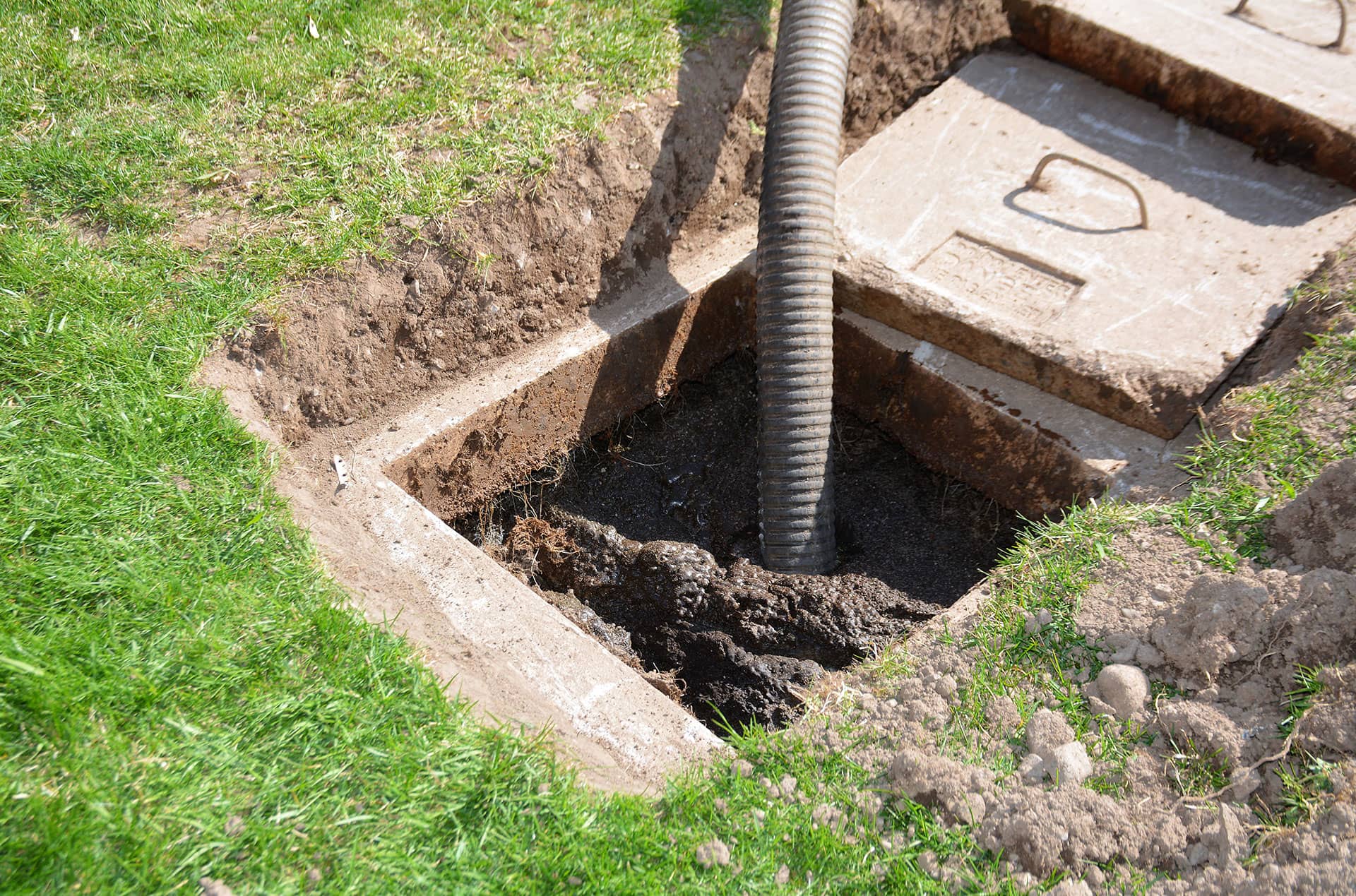
  • Lift station pumping: the wet well emptied and cleaned out
  • Lift station pump replacement, sized to the lift and the flow
  • Float switch and check valve replacement
  • Alarm diagnosis: high water, a stopped pump, a stuck float or a blocked line
  • Camera inspection and hydro jetting of the discharge and sewer line
  • 24/7 emergency lift station service

Why a lift station has two pumps, and why that hides a failure

A sewage ejector or grinder pump lifts wastewater from one below-grade bathroom or one house. A lift station does the same job for a whole building, or several, so it is built with a wet well, two pumps and a control panel that alternates them. The second pump is there so the station keeps running when the first one quits.

That is also the problem. When one pump fails, nothing visible happens: the other pump takes every cycle, the panel shows a light, and the building drains as it always did. The alarm float only lifts when the remaining pump cannot keep up, which is usually the first anyone hears of it — and by then the station is one failure away from sewage backing up into the lowest fixtures. A panel light nobody can explain is the earliest warning the station gives, and the cheapest one to act on.

Signs a lift station needs attention

Roughly in the order they show up:

  • An alarm that has been sounding, or a panel light nobody can explain
  • A pump that short-cycles, hums without moving water, or runs continuously
  • Odor around the wet well or the vent
  • Slow drainage in the lowest fixtures of the building
  • Water standing in the wet well higher than it used to
  • Sewage backing up indoors: stop running water and call

A pump that short-cycles or runs without moving water is often telling you about something attached to it: a float switch stuck against the basin wall, a check valve that lets the discharge run back down after every cycle, a clogged intake screen, or a discharge line that has lost its pitch or blocked. Replacing the pump and leaving those alone buys a shorter life than it should, so they are checked as part of the job.

What the work looks like

Most lift station calls are one of three jobs, and we tell you which before anything is ordered.

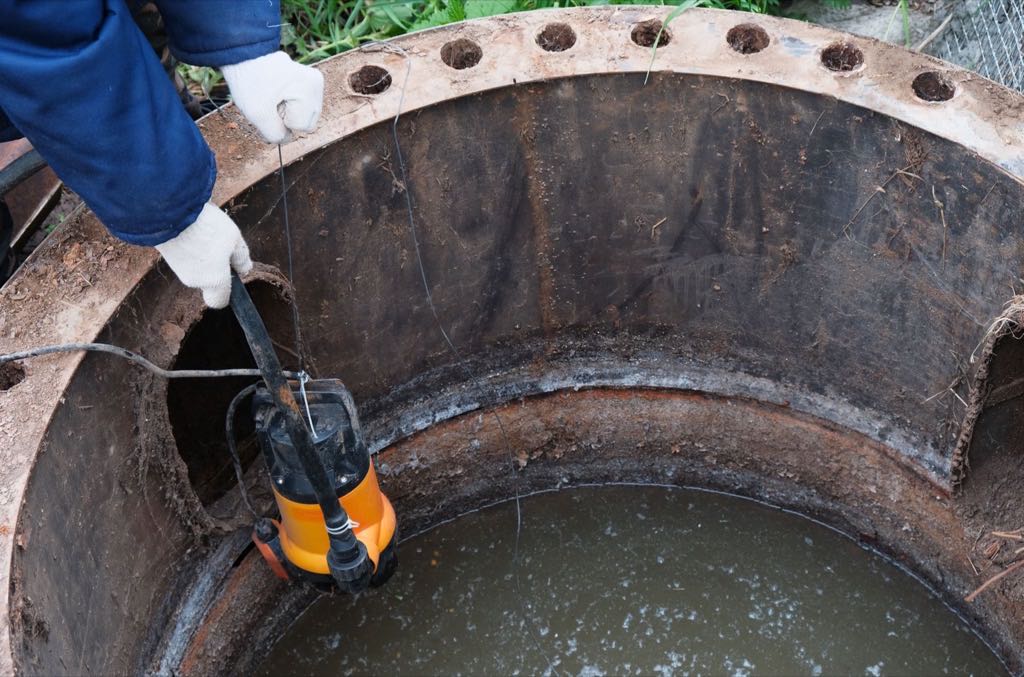
  • Pumping: the wet well is emptied so the pumps, floats and intakes can be seen and the grease and grit that collect in the bottom come out
  • Service: the floats, check valves, basin and discharge line are checked, and the worn part is replaced
  • Replacement: the failed pump is replaced with one sized to the lift and the flow the station actually needs, not swapped like for like

If the pumps are keeping up but the line they discharge into is not, a sewer camera inspection settles which problem you actually have before anyone buys a pump, and hydro jetting clears the line. The station and the line it feeds can be looked at on the same call.

Where we service lift stations on Oʻahu

We work island-wide, not only in town. Regular routes cover Honolulu and Kalihi, the Leeward side through Ewa Beach, Kapolei, Waipahu and Waianae, Central Oʻahu in Mililani, Wahiawa, Aiea and Pearl City, the Windward side in Kailua, Kaneohe and Waimanalo, and the North Shore around Haleiwa, Waialua, Kahuku and Laie.

Condominium buildings and restaurants are where lift stations turn up most on this island, and they are where a failure costs the most, because the building cannot stop using its drains. If the alarm is sounding now, call — we answer 24/7.

One pump down is the time to call

A lift station with one pump out is still running, which is exactly why it gets ignored until the second one fails. Replacing a worn-out pump on your schedule — instead of during a backup — protects the building and costs far less than the cleanup.

pump service crew on an Oʻahu property
  • Prevent sewage backups into the building
  • Diagnosis first: float, check valve, basin and line checked before a pump is bought
  • Replacement sized to the lift and the flow
  • Local, licensed and insured, answering 24/7

Frequently Asked Questions

Schedule Your Appointment

We serve all of Oʻahu

Same crew, same pricing, same 24/7 emergency availability island-wide. Pick your town for what we run there most, or call (808) 630-9966.