
24/7 emergency service across Oʻahu Call (808) 630-9966

Aerobic treatment units on Oʻahu

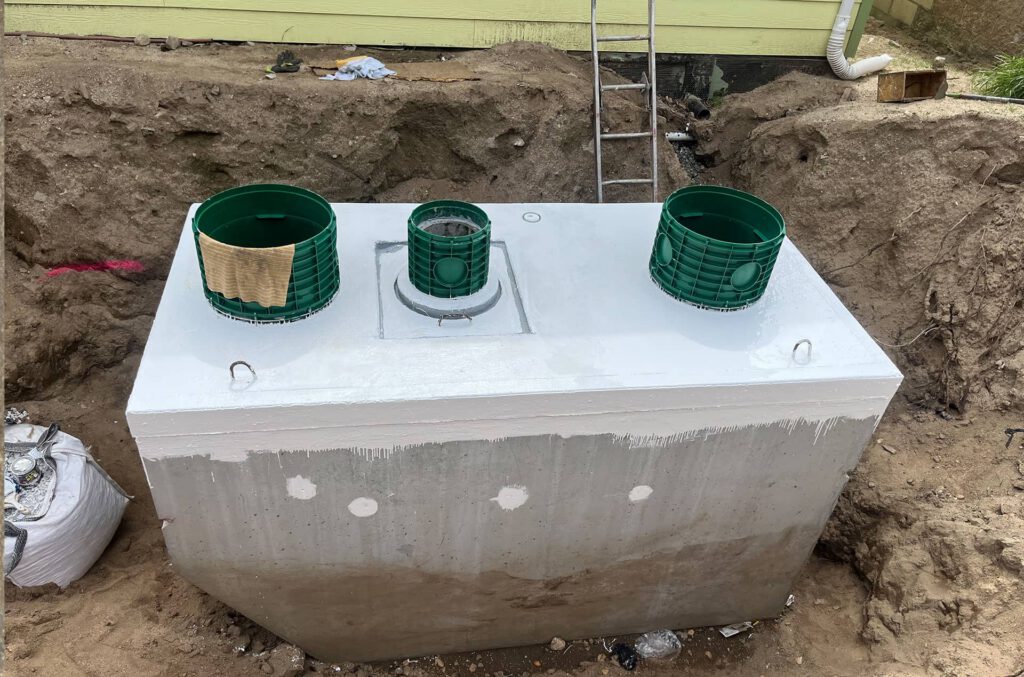
An aerobic treatment unit does in the tank what a septic system leaves to the ground. A blower pumps air into the treatment chamber, aerobic bacteria break the waste down far more completely than the anaerobic process in a conventional tank, and the water that leaves is clean enough to be dispersed in far less area — which is why it is the answer on lots where a standard drain field will not fit or the soil will not take one. Golden Penny Sanitation Inc. installs and services ATUs across Oʻahu. We are a licensed and insured Hawaiʻi sanitation contractor — Hawaiʻi License CT-39138 — and the unit goes in on an engineer’s design with the Department of Health permit in hand.

The assessment that decides whether you need one is free. Call (808) 630-9966.
  • ATU installation as a cesspool conversion — the third of the three conversion paths
  • ATU as a replacement where a conventional drain field has failed and cannot be rebuilt
  • System design by a licensed engineer and Department of Health permitting, handled as one job
  • Tank, blower, control panel and dispersal installed and started up by one crew
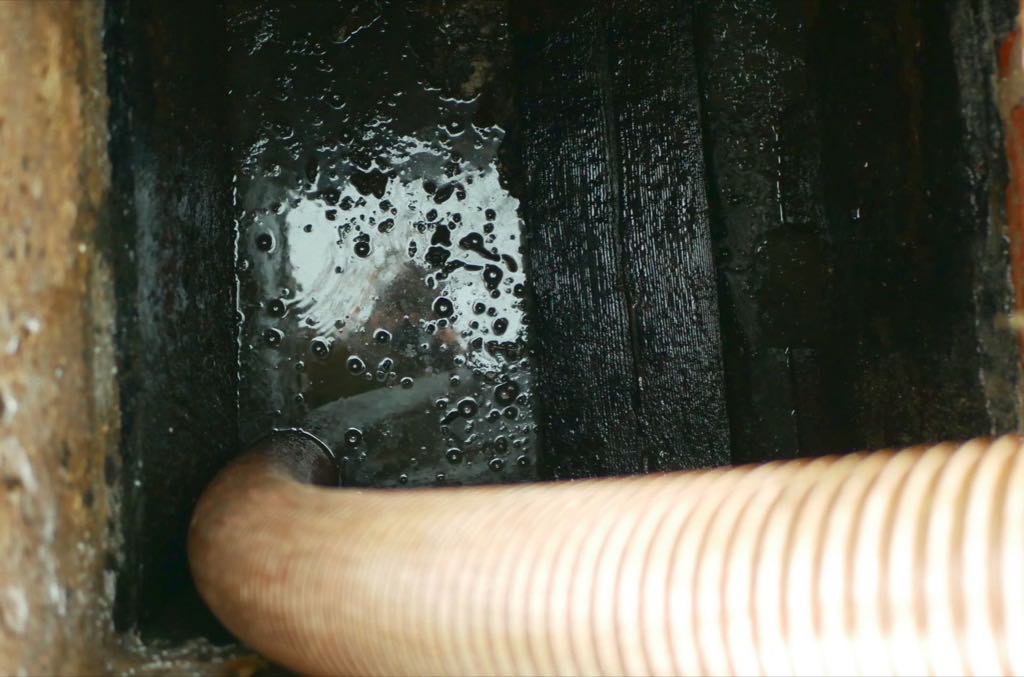
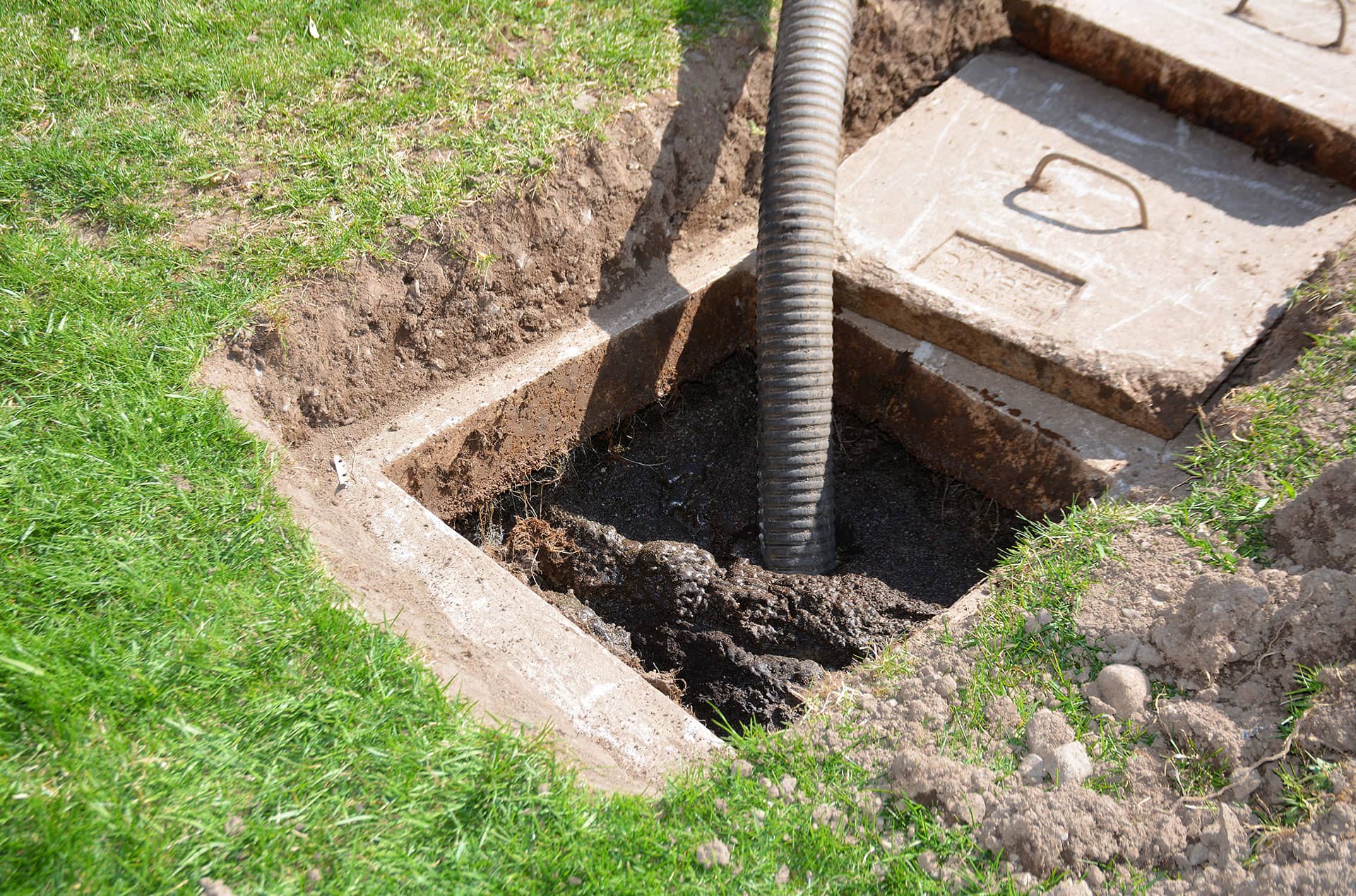
  • Routine ATU pumping and service after the install
  • Free, no-obligation inspection and estimate

When an ATU is the right answer

An ATU is not the default, and nobody should sell you one from the curb. It is what the site assessment points to when a conventional septic system cannot legally or physically go in:

  • Small lots — the Department of Health requires 10,000 square feet of land per system, and many older Oʻahu lots fall short
  • Soil that will not percolate — clay and rock that fail the percolation test
  • A high water table, where trenches cannot keep the three feet of separation from groundwater the rules require
  • Shoreline, stream-side and well-adjacent properties — the same factors that put a cesspool in a high priority level
  • A failed drain field on a lot with no fresh ground left to rebuild it in

Where the ground and the lot will take a standard drain field, that is usually the simpler and cheaper system, and we will say so. The rules that decide it are set out in our conversion guide, and the drain field page covers the conventional side.

What installing an ATU involves

An ATU is a permitted individual wastewater system, so the sequence is the same as any conversion: assess, design, permit, build, inspect. The difference is what goes in the ground and what it needs afterward.

  • Site and soil assessment — the existing system is pumped and opened, the lot and soil evaluated
  • Engineered design of the unit and its dispersal, sized to the bedroom count
  • Department of Health permit approved before any ground is broken
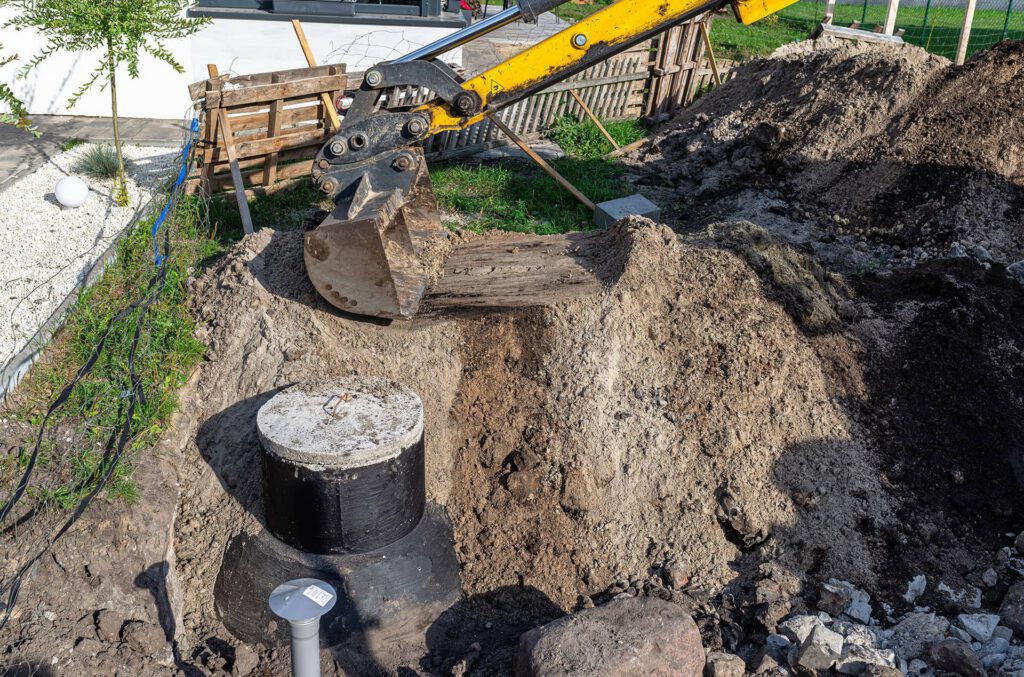
  • Installation — the treatment tank, the blower and control panel, the electrical connection, the dispersal
  • Start-up and inspection, and the old cesspool pumped and closed if this is a conversion
  • Routine service afterward — an ATU has a pump and a blower, and it needs to be looked at

One honest difference from a septic tank: an ATU needs electricity and attention. The blower runs, the control panel has an alarm, and the unit has to be inspected and pumped on a schedule. That is the trade for a system that works on ground where nothing else will.

What an aerobic treatment unit costs

The unit, the design and the ground it goes into all move the number, so we quote after the assessment, not before. Estimates are free and in writing. Our Hawaiʻi cesspool conversion guide breaks down what a full cesspool conversion costs stage by stage.

ATUs and cesspool conversion

Hawaiʻi law requires every cesspool to be upgraded, converted to septic, or connected to a sewer by January 1, 2050, and for a share of Oʻahu’s cesspool lots — small, close to the water, on poor soil — the septic path means an aerobic treatment unit rather than a tank and drain field. Our Hawaiʻi cesspool conversion guide covers the law, the three options and the costs; cesspool conversion is the job itself, and this is the system it ends in when the ground says so.

sanitation crew servicing a system on Oʻahu
  • Meets the 2050 requirement on lots a conventional system cannot
  • Engineered design and Department of Health permit handled for you
  • Treatment in the tank, so far less ground is needed for dispersal
  • One licensed crew from assessment to start-up
  • Ongoing pumping and service from the people who installed it

Frequently Asked Questions

Schedule Your Appointment

We serve all of Oʻahu

Same crew, same pricing, same 24/7 emergency availability island-wide. Pick your town for what we run there most, or call (808) 630-9966.